
What helps people thrive?
At the School of Human Ecology, our research begins with this simple yet powerful question. It’s what drives us to explore the science of human flourishing.
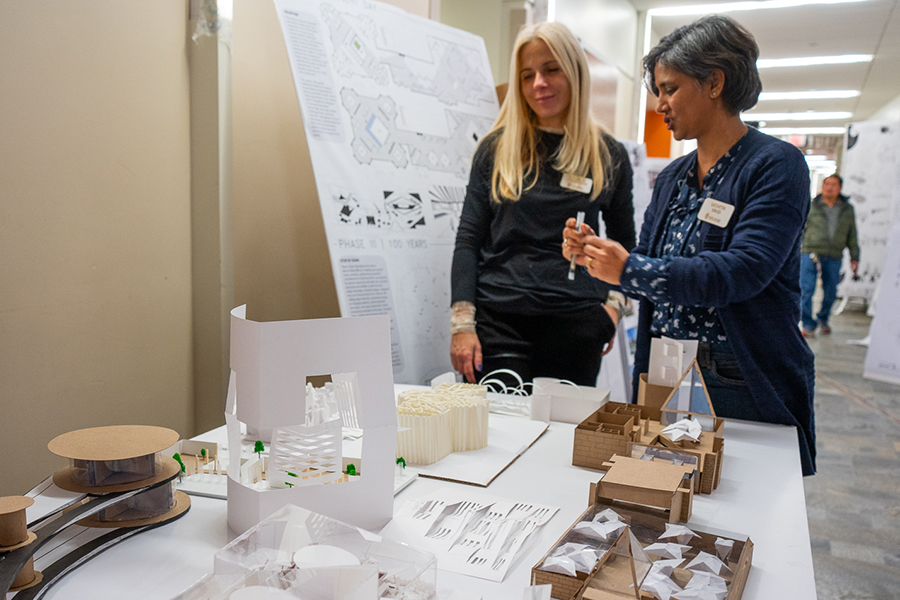
Exploring how to make life better
We uncover evidence-based strategies to improve lives — through healthier relationships with family, finances, communities, and the places where we work and live.
Our biggest strength? We center people in everything we do. And just like people, we can’t be easily categorized. Our research is multi-faceted and intersectional, always keeping in mind our mission to make life better for all.
It’s the art and science of everyday living.
Research meant for the everyday, with widespread impact
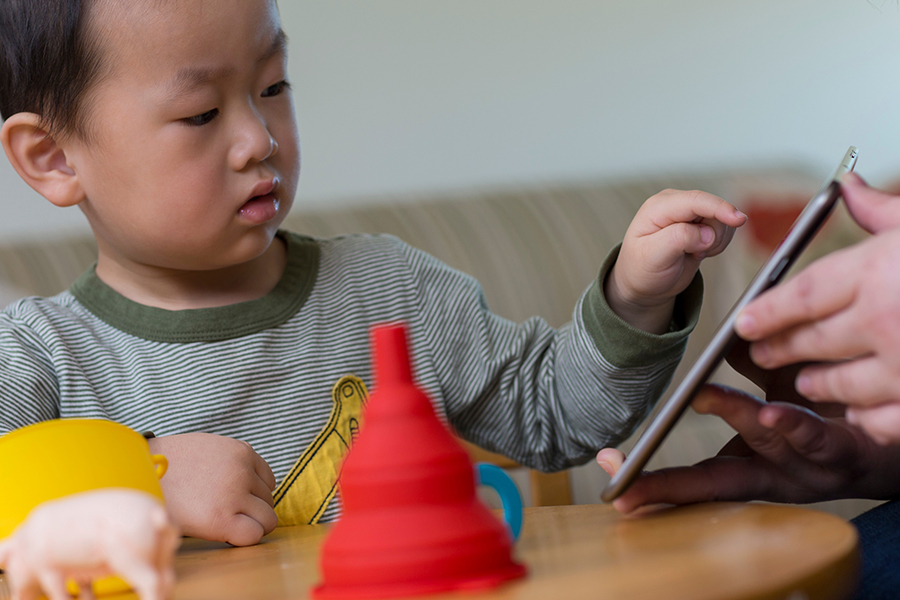
Daily life
We’re discovering what factors influence how adults experience parenting, how to help teens deal with racism online and what it actually means to allow your child to have screen time. We’re also motivated to make healthy, culturally relevant foods accessible to all, both at home and at school.
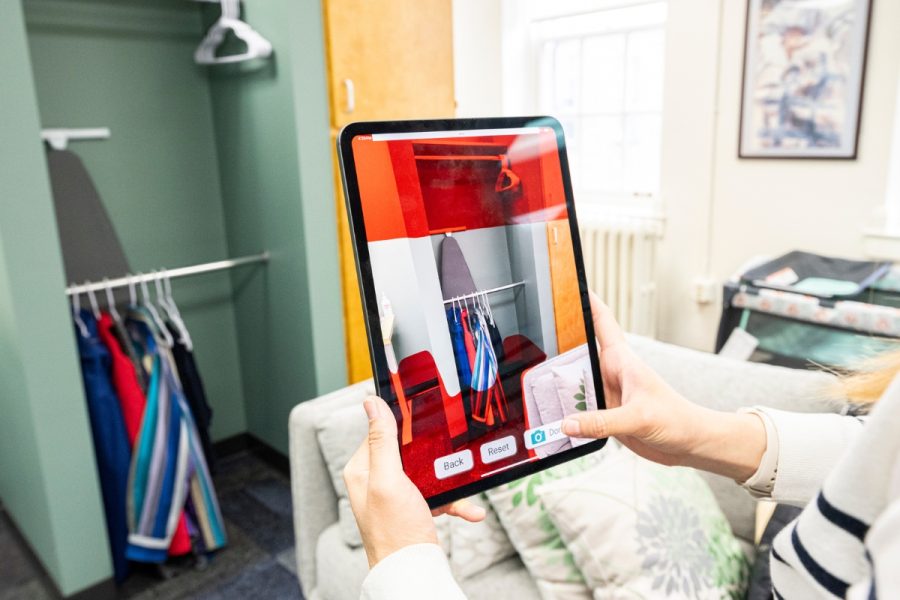
Local community
We’re finding out what types of financial education are effective and how Wisconsin parents feel about their family’s economic security. We also want to understand how design practices can promote well-being and how the study of objects can improve our understanding of who we are and where we come from.
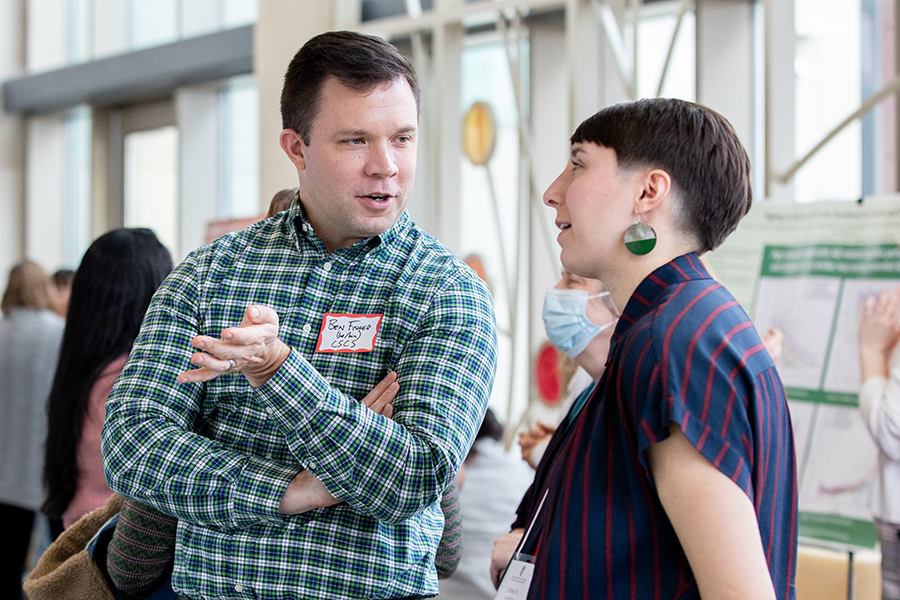
National impact
We’re learning how policymakers can better support family caregivers, how school security measures affect students of different racial backgrounds, why it’s important for children of incarcerated parents to have in-person visits and how we can integrate human-centered design practices into AI tools to produce more meaningful and ethical outcomes.
International influence
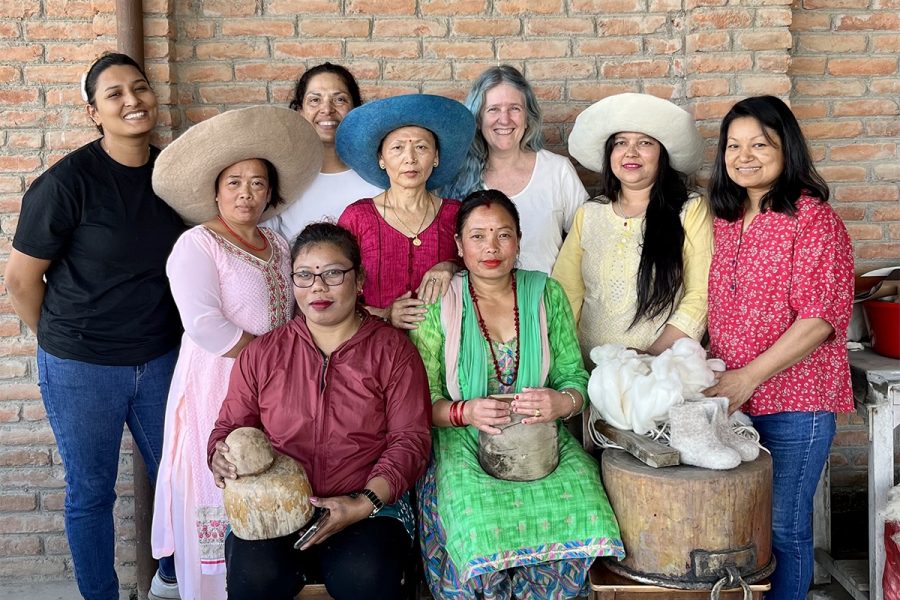
We’re identifying how early childhood interventions can impact financial outcomes for people in low-income countries and strategies for improving quality of life and environmental sustainability across the globe. We also work with makers in places like Ecuador, India, Nepal and Vietnam to create product design and marketplace systems that support the economic well-being of local artisans.


Help shape an ever-changing world
Even as the lines between people and technology blur, human ecologists are committed to keeping human-centered research at the forefront. You’ll work with and learn from a community of scholars dedicated to improving lives.
Graduate programs
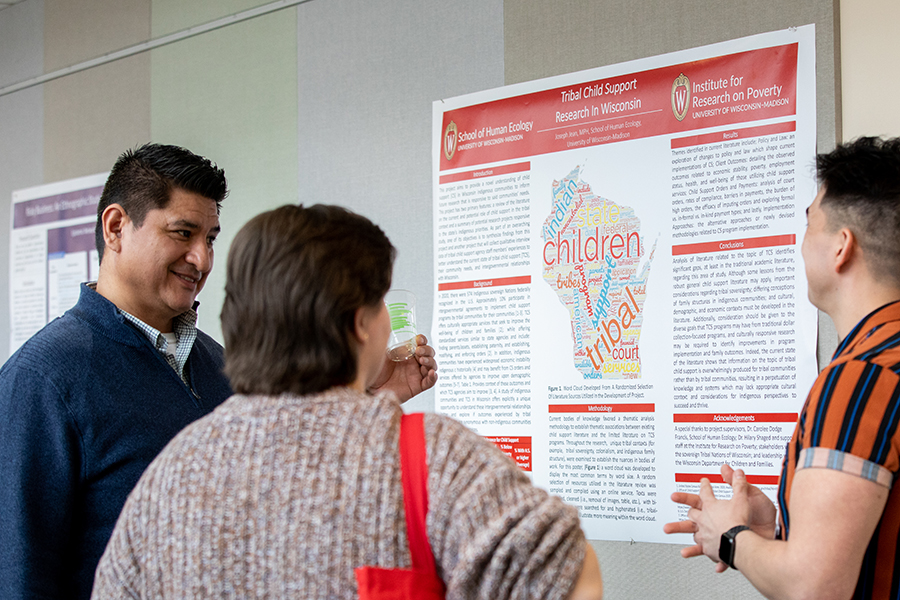
Join a school rooted in applied research to amplify your impact. Human Ecology offers PhD programs in each of our four departmental areas, plus Masters of Science in Human Ecology and Design + Innovation, an MFA program, and certificates and doctoral minors.

Future faculty
To continue to address the greatest challenges of our time, Human Ecology is recruiting faculty with expertise in relationships, design, communities and consumer science. Learn more about the questions we're asking and see how you can make a difference.
Researcher spotlight
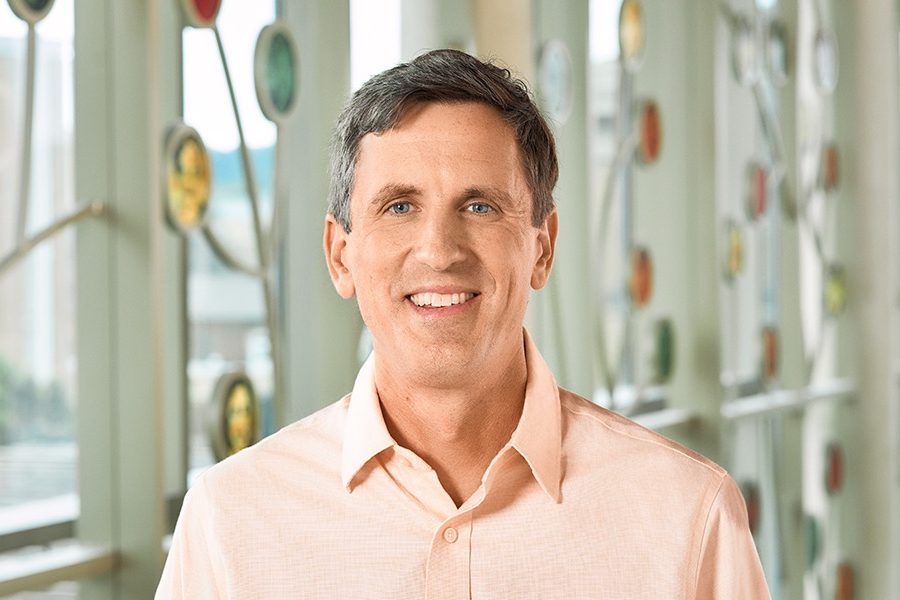
Geoffrey Brown on how early childhood experiences can shape our lives
Brown, a Human Development & Family Studies professor, studies how family relationships can support healthy social and emotional development in infancy and early childhood, and he’s especially interested in how fathers affect child development.
A research community like no other
The School of Human Ecology is making meaningful discoveries that feel within reach. With disciplinary backgrounds spanning dozens of fields of study, our scholars regularly come together to collaborate on human-centered research.
A team dedicated to supporting research
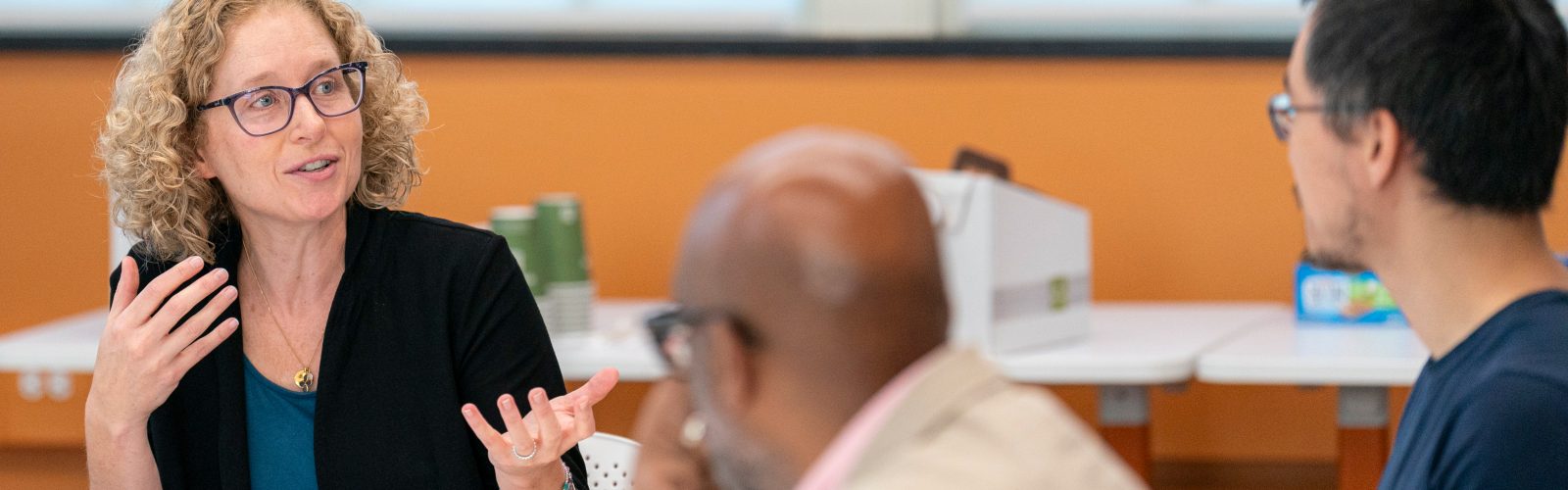
Our research team partners with faculty and students at every stage of the research process, from finding funding opportunities to building budgets and managing proposals. Their support allows our scholars to focus on what they do best: pursuing ideas that advance human well-being.
-
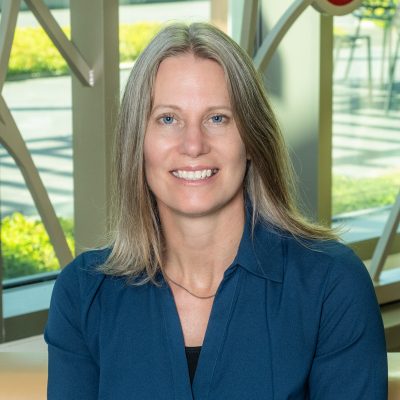
Sherry HuhnPost-Award Accountant
-

Cody LoewAssociate Dean for Finance and Administration
-
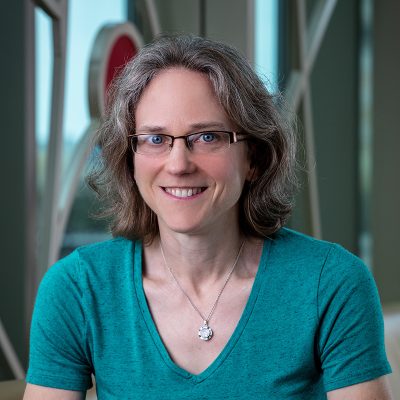
Sarah MarcotteSenior Research Operations Manager
-

Nancy WongKohl's Chair in Retail Innovation | Associate Dean for Faculty Affairs and Graduate Program | Professor of Consumer Science
Resources
Our research is funded by NIH, NSF, USDA and major foundations — bringing millions in investment and new knowledge to Wisconsin.