Researcher Spotlights are Q&As that shine a light on School of Human Ecology faculty members’ unique scholarship and research interests.
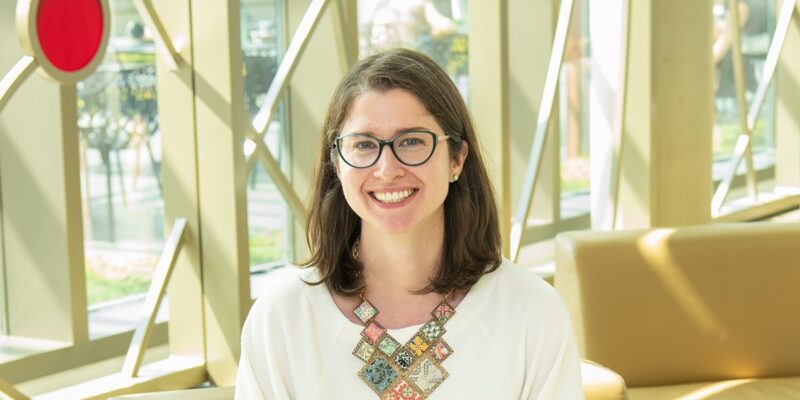
Megan Doherty Bea, the Lorna Jorgenson Wendt Professor and an associate professor of Consumer Science, studies consumer finance and financial well-being. Her research is motivated by a desire to understand the causes and consequences of socioeconomic and financial inequality, particularly in the U.S. Bea’s recent research topics include financial security among older adults, the intersection between climate change and household finances, and community access to financial services.
How did you become interested in your area of study?
Like many academics, my career path was not linear. I now study household debt and inequality, but prior to graduate school I was working at a macroeconomic think tank focused on international monetary policy. Going into graduate school, I assumed I’d continue in that line of work, but I actually pivoted because of a footnote in a book! That book (Gary Rivlin’s Broke, USA) made me realize that I was much more interested in studying how institutions and policy contexts shape financial opportunities for families and implications for health and well-being.
What’s your motivation for doing this type of work, and how does it impact human well-being?
The financial landscape that families engage with is changing rapidly. It seems like there is a new financial app or product coming on the market every day. Families are tasked with making a lot of choices, and consumer protections sometimes lag behind. Every family should have access to a safe financial toolkit that works for them. This requires ensuring equitable access to high-quality financial services and products that help families preserve and build wealth. I think a lot about how we can improve our policy and regulatory environments to make this a reality.
What’s something you wish was more widely known by the average person?
I am not a fan of narratives around “bad” financial choices — they place the blame on individuals when we should be thinking about systemic contexts. What do I mean by this? Well, structural conditions can sometimes constrain choices, leaving families with few good options. For example, many banks require that customers maintain a minimum account balance, which some families literally can’t afford to do — often for structural reasons, like low wages and a weak social safety net. (Did you know the federal minimum wage hasn’t increased in 17 years? This is a problem!)
In cases like these, a family might instead use check cashers and payday lenders, which are often stigmatized as bad choices, but what alternative do they have? Additionally, a “bad” choice in terms of financial costs can actually be a preferred option given a family’s needs. In a recent interview study I did with payday loan borrowers, for example, we found that borrowers know payday loans are financially costly but that taking on these financial costs is preferable to other options they have at that moment, such as draining their hard-earned savings or asking a friend for money.
What do you see as the most critical question currently facing your field?
Some of my newer work is thinking about the intersection between climate change and household finances. As exposure to climate-related disasters increases in both prevalence and severity in the U.S., more and more families are facing disaster-related costs. In 2024, for example, an estimated 1 in 5 families were financially affected by a disaster or severe storm due to property damage, income losses, work disruptions and relocation costs. I think we need to grapple with what this means for families’ finances and financial well-being over the short- and long-term, and how this might exacerbate existing financial inequalities across households and communities.
Who are some individuals who have influenced your work? How do you think about “paying it forward” as you gain experience in your field?
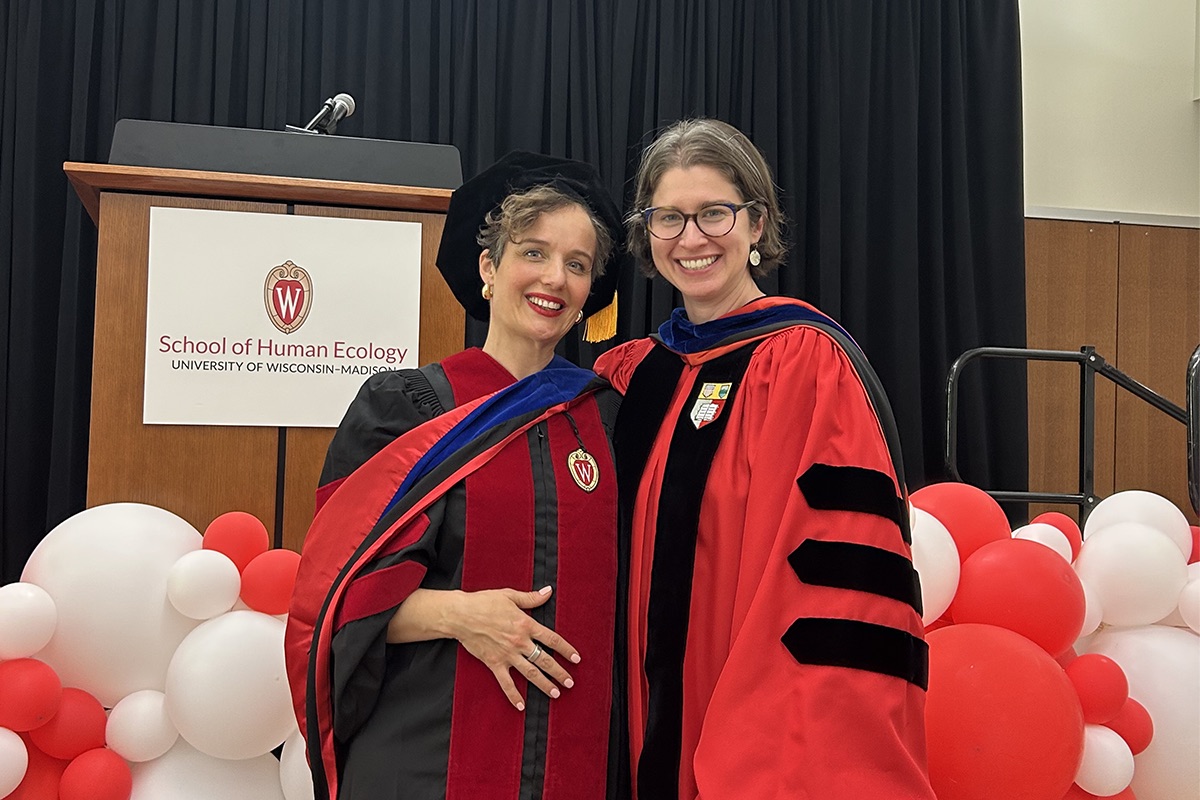
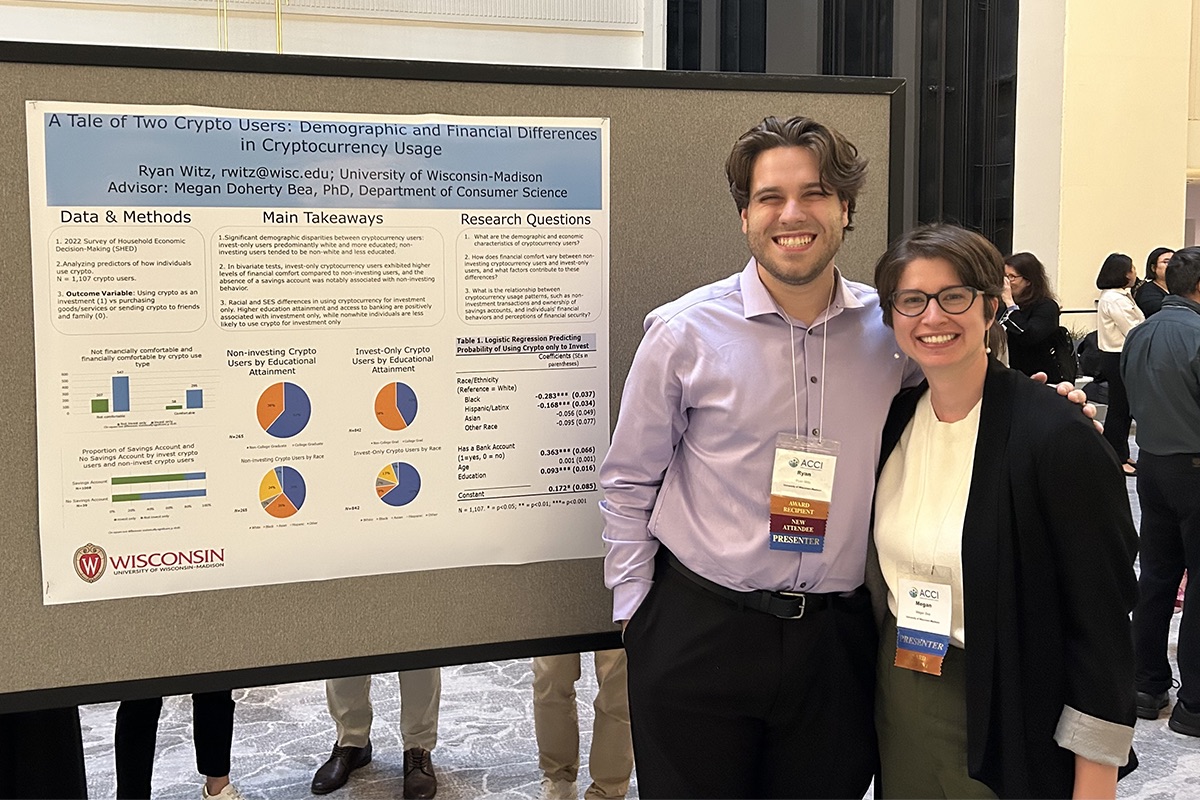
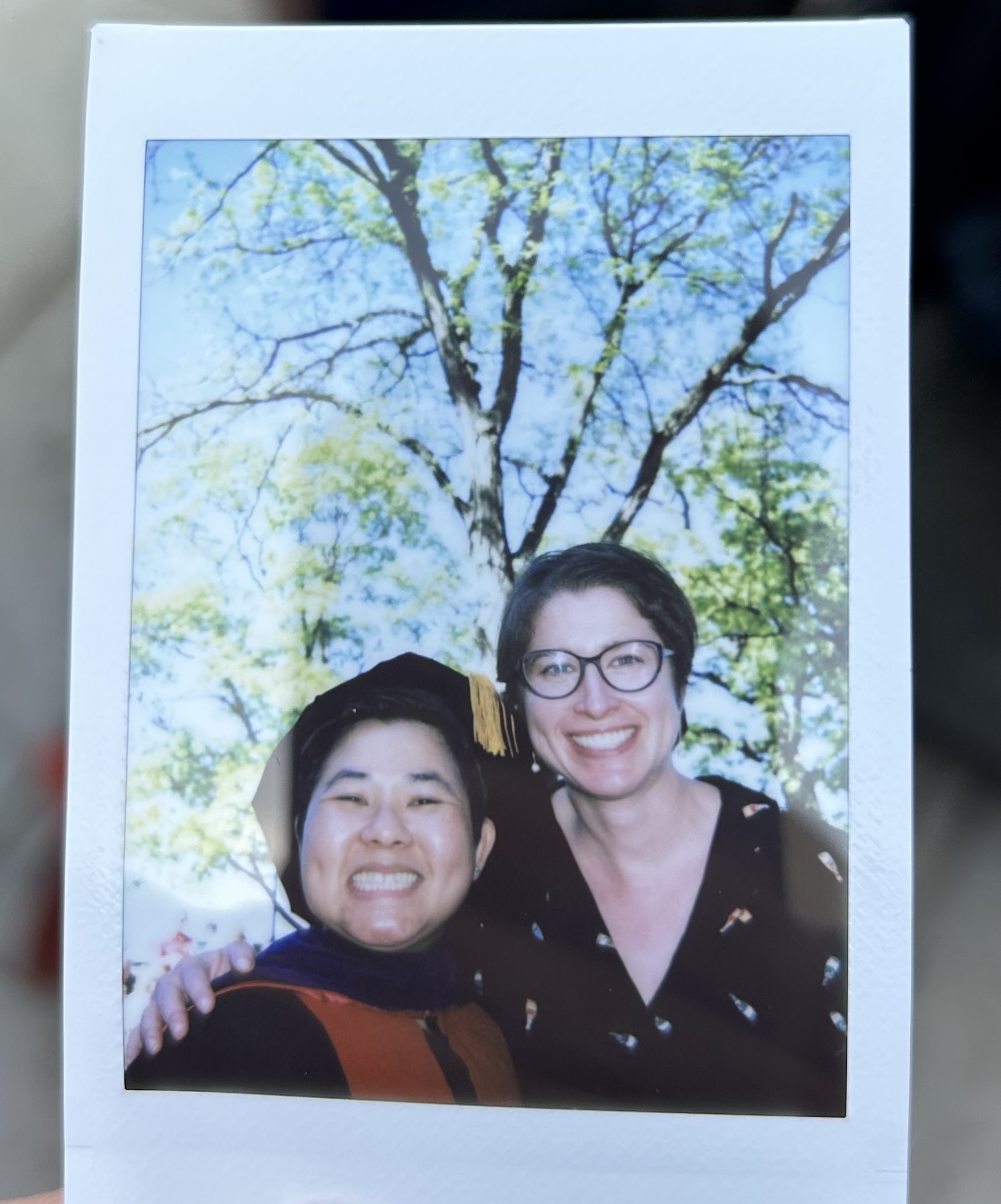
I had excellent mentors while in graduate school who encouraged creative problem solving, independent thought and perseverance. I have the honor of working with many of our students in the School of Human Ecology, and my own mentors have very much inspired how I approach mentorship and advising. I love learning from our students and witnessing a seed of an idea turn into a research project. It’s a privilege to support them as they work towards their PhDs and I am thrilled that this gets to be a central part of my job!