
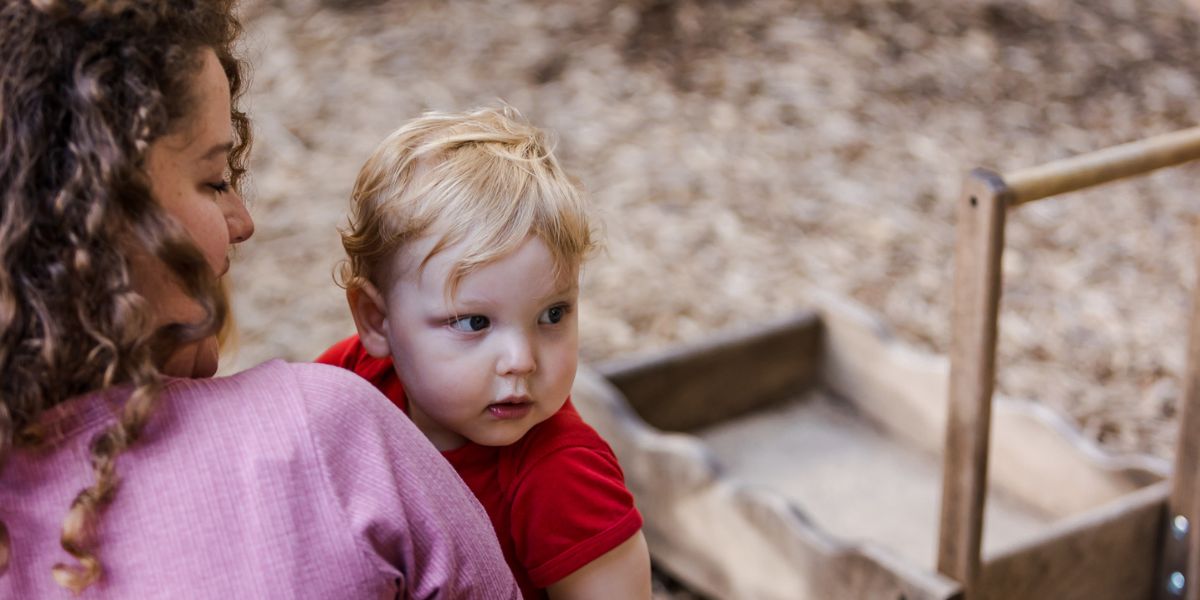
UW–Madison is celebrating 100 years of the School of Human Ecology’s Child Development Lab, one of the first university-based preschool laboratories of its kind in the U.S.
The state-of-the-art facility, located on the UW–Madison campus within Nancy Nicholas Hall, combines an early childhood education center with spaces for multiple types of research. It is considered a model program for incorporating evidence-based practices that foster healthy child development.
“The Child Development Lab is the Wisconsin Idea in action — for 100 years it’s created a ripple effect that extends far beyond its walls,” says Soyeon Shim, Elizabeth Holloway Schar Dean, School of Human Ecology, and Ted Kellner Bascom Professor, Consumer Science. “Thousands of students have learned and trained here, research discoveries made here have shaped child care and educational practices, and countless children and families have benefited from that work. It’s a remarkable legacy.”
Discovery that centers children
The first version of the Child Development Lab was established in 1926 by parents and home economics scholars who recognized, even 100 years ago, that healthy relationships are central to children’s future well-being.
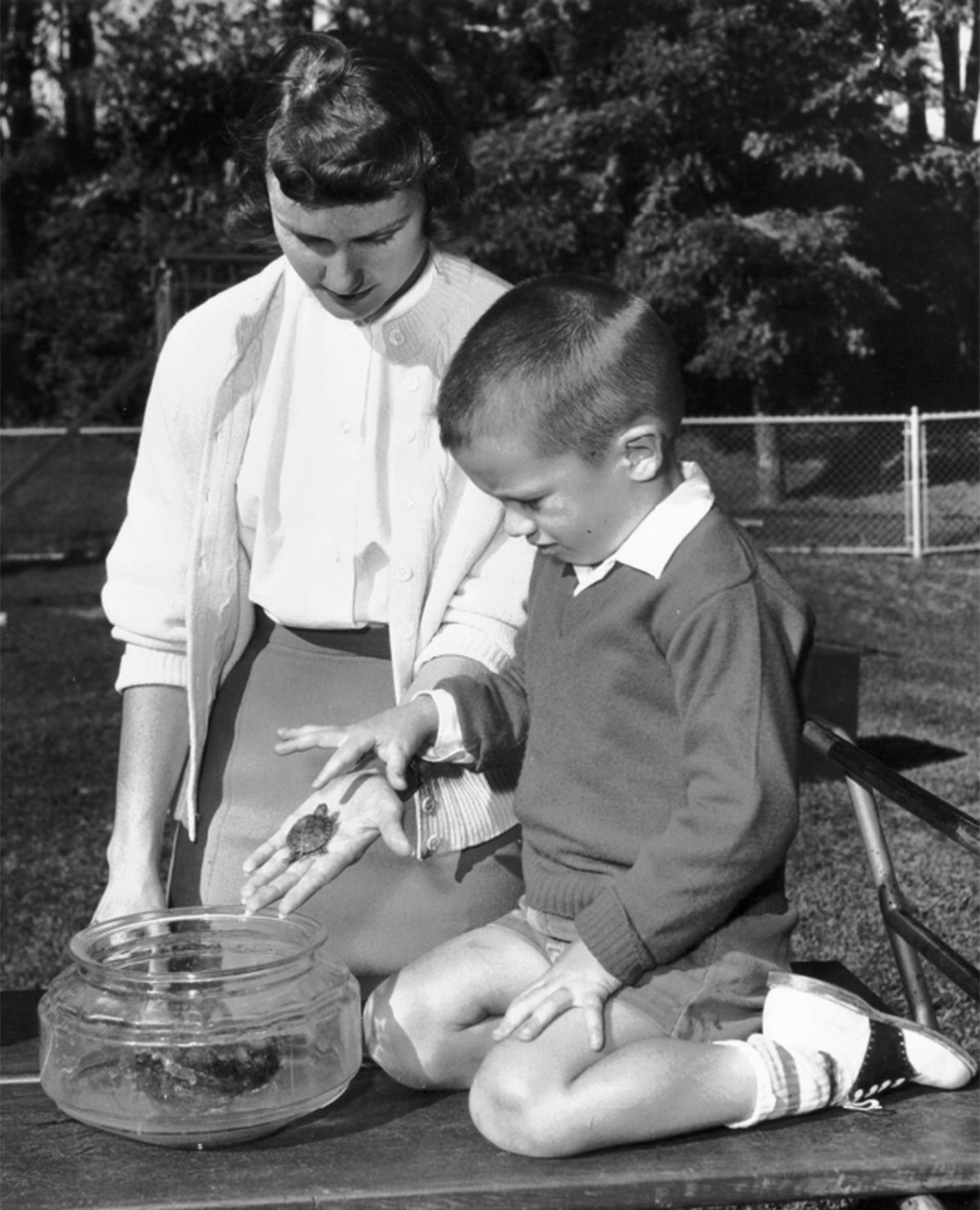
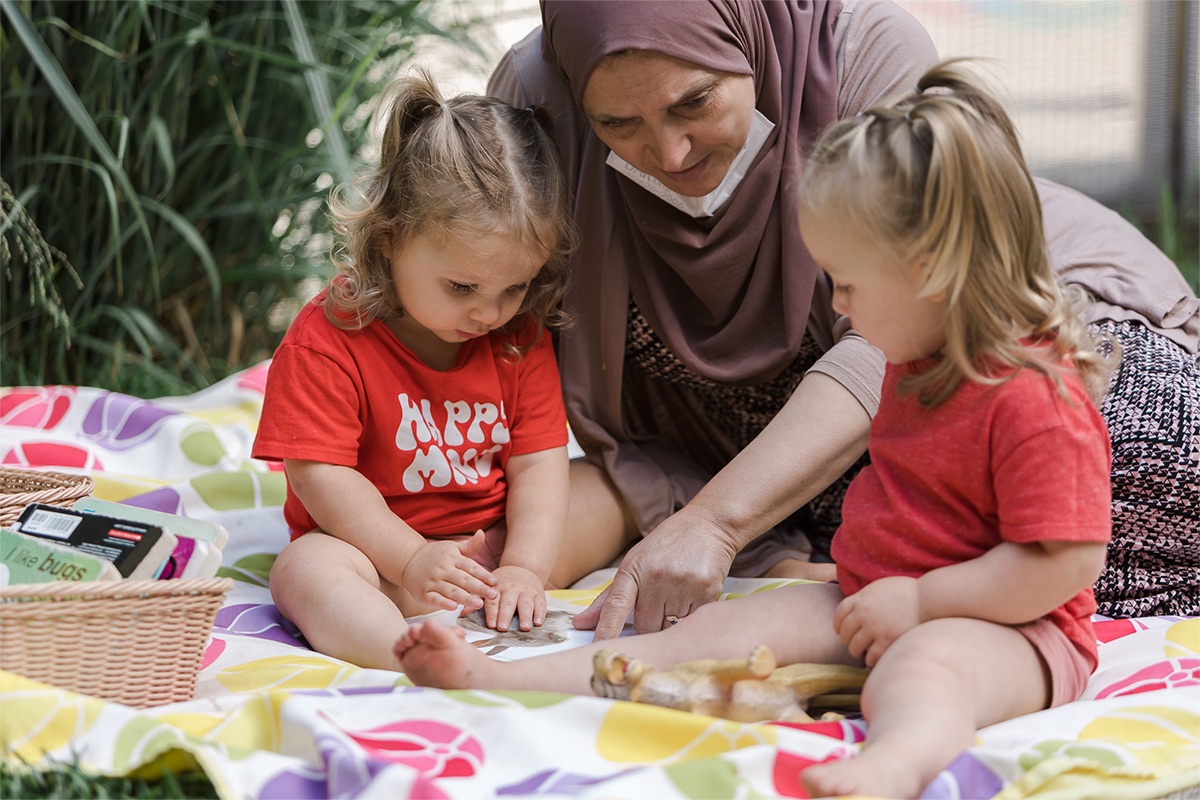
That tiny school of fewer than a dozen children has grown into a renowned program that provides research and instruction opportunities for hundreds of undergraduate and graduate students each year, while teaching more than 70 children ages 6 weeks old through 4K. The collaborative, inquiry-based approach fosters research at multiple levels — its youngest students learning through curiosity; college students working alongside Child Development Lab mentor teachers in the classroom; and scholars leading rigorous academic studies.
Faculty and student researchers affiliated with the Child Development Lab are leaders in the fields of early childhood education, family and caregiver relationships and child development. Faculty Director Heather Kirkorian, also the Laura M. Secord Chair in Early Childhood Development and a Human Development & Family Studies professor, studies how technology and media use affects children’s learning and family well-being.
Researchers also consistently partner with the Child Development Lab itself to further their scholarship. For example, Design Studies PhD graduate Rudy Dieudonne ‘25 used the space to discover that neurodiverse students were significantly more affected by classroom lighting levels than neurotypical students.
All research is carefully reviewed and approved to ensure it is ethical, respectful and centered on the well-being of children and families.
“Parents know this is a place where UW–Madison students and researchers are coming into the classroom and working directly with kids,” says Kirkorian. “We do this in ways that are respectful to everyone involved. A lot of the families are invested in the university’s mission of research, teaching and outreach, and they see it as a plus.”
A living lab for learning
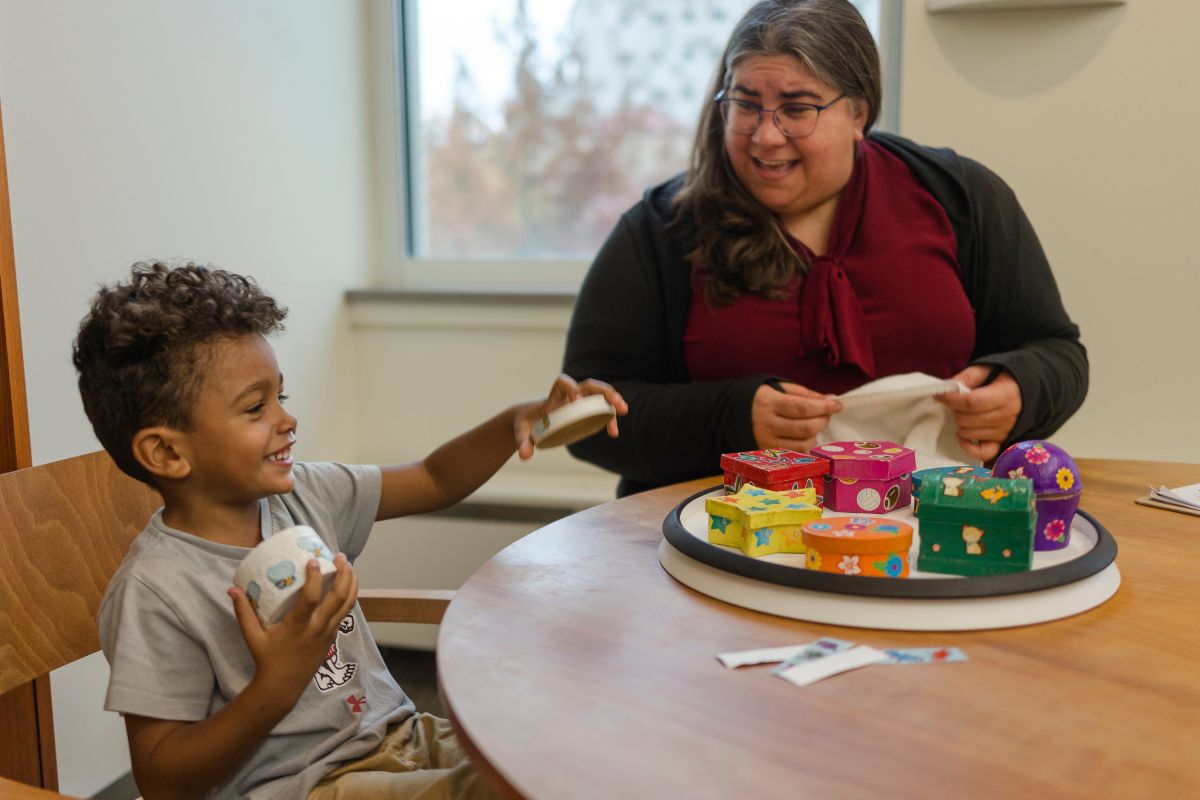
The Child Development Lab is a hands-on learning environment for UW–Madison students to learn about child development by observing children “in the wild” (their early childhood classrooms) through observation booths, or virtually through recordings on a secure platform used for UW–Madison courses.
During a typical semester, the Child Development Lab offers more than 5,000 learning experiences for students across campus. More than 90% of these are in-person or virtual observations. Others included guest lectures by Child Development Lab teachers and researchers, internships, high-impact course placements and facility tours.
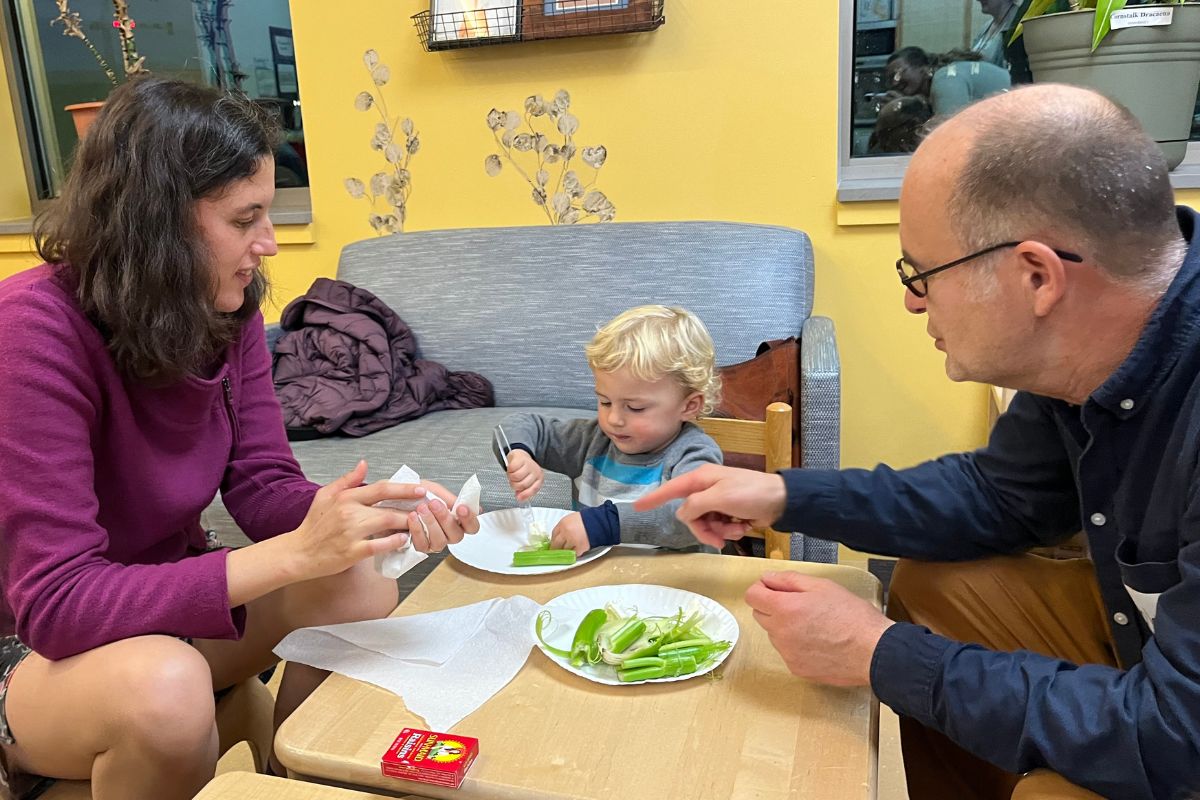
Instructors can partner with the Child Development Lab to develop specialized learning experiences. Robert Nix, the Audrey Rothermel Bascom Professor of Human Development & Family Studies, who is jointly appointed with the UW–Madison Division of Extension, brought graduate students from one of his classes to adapt an evidence-based intervention that teaches individual parents how to prepare healthy meals and snacks with their young children. Each graduate student partnered with a child to determine how the intervention might be changed so it could be delivered in a group setting. The goal was to pilot the new version of the intervention so it could be delivered by Extension educators across the state.
Students outside of the School of Human Ecology also use the Child Development Lab in courses for topics like occupational therapy, child psychiatry, pediatrics and journalism.
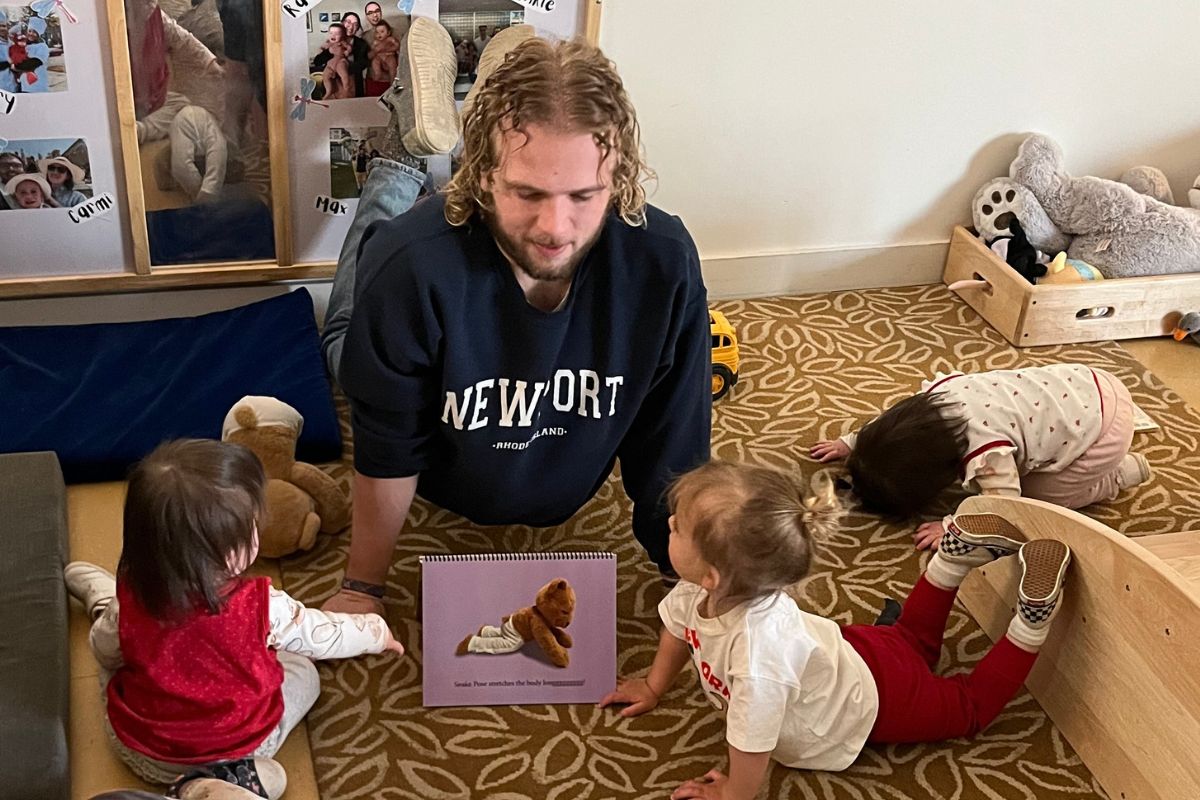
Human Development & Family Studies students can apply for paid internship experiences in the Child Development Lab, where they receive skilled mentorship from lead teachers as they work with children in the classrooms and interact with families.
“These hands-on opportunities for students are preparing future educators, researchers and professionals to work thoughtfully and responsibly with young children,” says Amy Wagner, Child Development Lab executive director of teaching and research.
Donnie Schroeder ‘25 worked as a paid intern and a student assistant at the Child Development Lab. He says students are empowered to put their Human Development & Family Studies course learnings into action. Practicing these skills gave him the confidence to apply for his current position as a lead teacher at the University of Wisconsin–Milwaukee’s Children’s Learning Center, where he also mentors a team of undergraduate students.
“I felt very confident in my interviews because of the prestige of being a part of the Child Development Lab,” Schroeder says.
The science of human thriving
How does design shape the spaces where children play, learn and explore? These are some of the questions visitors will be invited to consider at the Nancy M. Bruce Center for Design and Material Culture exhibition The Science of Human Thriving: Celebrating 100 Years of the Child Development Lab.
“This exhibition is unlike any we’ve created before,” says Sarah Anne Carter, the Chipstone Foundation Design and Material Culture Chair and executive director of the Nancy M. Bruce Center for Design and Material Culture. “We collaborated with a wide range of colleagues to design and build unique hands-on activities for children and families, in addition to our usual audiences of students, scholars and community members. Visitors of all ages will be immersed in the research of Child Development Lab-affiliated scholars in truly unexpected ways!”
This exhibition is curated by Carter, who is also an associate professor of Design Studies, in collaboration with Centennial Project Coordinator Saffron Gonzalez ‘25 and colleagues in both the Child Development Lab and Human Development & Family Studies department. Kirkorian and Wagner were key collaborators.
Gonzalez’s involvement in the exhibition began as a student in the School of Human Ecology’s Design, Innovation & Society program. Gonzalez says her work as project coordinator prepared her for the Master of Science in Human Ecology program, which she began in fall 2026.
The importance of early relational health
“Early relational health” is a relatively new term for a long-held concept: Relationships are the biological foundation of child development, and when those bonds are healthy and stable, they create the best conditions for learning and growth from birth to age five.
The School of Human Ecology is home to faculty who are experts in this area. They say that playing, singing and reading together are just a few examples of simple actions that lead to moments of connection, promoting a young child’s flourishing and buffering against difficult experiences.
“Safe and nurturing relationships aren’t an optional part of healthy development; they are essential for human thriving,” says Geoffrey Brown, Human Development & Family Studies professor and the Mary Sue and Mike Shannon Chair for Thriving Children and Families. “Even before infants can walk and talk, they are forming connections and developing relationships that can have long-lasting consequences for their health and well-being.”
Dipesh Navsaria, a pediatrician and a clinical professor of Human Development & Family Studies, adds that it’s important to look at the big picture, and makes two key points. First, while there are clearly harmful ways to parent a child, like physically hurting them or continuous harsh interactions, it’s important to remember that there’s no one “right” way. Relational “rupture” followed by “repair” — moments of misunderstanding or conflict followed by reconnection — can lead to better resilience and stronger bonds.
“Letting your child cry for a moment is a normal, everyday and expected part of parenting, and it may actually be of long-term benefit,” he says.
Second, it’s much easier to provide a strong caregiving environment when parents are not struggling to provide for their own and their families’ basic needs. A parent may understand the benefits of reading daily to their child and want to do so, but they can’t if they’re working two jobs and aren’t home at bedtime. In this way, meaningful interventions like living wages and affordable housing help parents do the great job of parenting that they know how and want to do, Navsaria says.
In May 2027, the School of Human Ecology will convene national scholars for a research symposium on early relational health, building upon and extending foundational work to showcase new directions for studying and supporting contemporary caregivers and their young children.
Looking to the future: A Healthy Start for All
As home to both the Child Development Lab and Human Development & Family Studies department, the School of Human Ecology is uniquely positioned to help lead a bold new campus initiative called Healthy Start for All. The effort brings together researchers from more than 60 units across campus to develop interdisciplinary approaches to improving outcomes for children and families.
Healthy Start for All builds on the RISE-THRIVE campus initiative focused on healthy aging by expanding investments in earlier segments of the lifespan — maternal and child health, early relational health and early literacy — in recognizing that healthy aging begins in our earliest years. By connecting these key areas, the initiative aims to create greater impact through coordinated research and action.
“UW–Madison has an opportunity to become a national leader in understanding and supporting well-being across the lifespan, from early childhood through healthy aging,” Shim says. “When children have a healthy start in life, everyone benefits. We see stronger families and schools, healthier communities and a more resilient workforce. By bringing together expertise from across campus, we can tackle big challenges and help more children and families thrive.”
Throughout the 2026–2027 academic year, the University of Wisconsin–Madison’s School of Human Ecology is marking 100 years of its Child Development Lab, one of the first university-based preschool laboratories of its kind in the U.S., and celebrating its leading role in the field of early relational health. Learn more about the Child Development Lab and the events planned to mark this 100-year milestone.
First photo caption: Lead Teacher Emily Kosmeder holds a child in the Child Development Lab outdoor playground area. Photo by Rosie Yang.