
The School of Human Ecology is excited to welcome six new faculty members to campus this fall. These scholars bring interdisciplinary expertise in areas like the use of AI in social work, policy surrounding the sex trade, children as consumers and aging outside of traditional family structures.
Eunhye Ahn
Assistant Professor of Human Development & Family Studies; Dean’s THRIVE Faculty Fellow
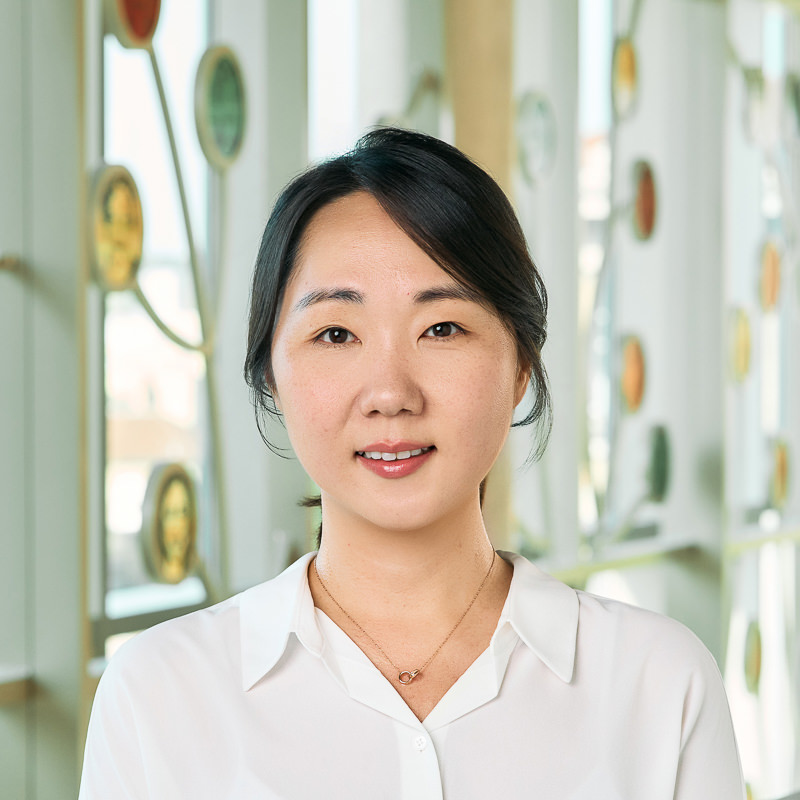
“My research asks how we can thoughtfully navigate the inequalities being reshaped by AI, and how we can use these same technologies to close equity gaps. I approach AI from both directions, studying it as a social force and deploying it as a research tool. One line of my work examines who is being left behind as AI reshapes society, and how this latest wave of technology transforms existing inequalities rather than simply creating new ones. A second line focuses on the human side of these systems. I study how people can remain critically engaged when using AI in high-stakes decisions, neither defaulting to blind trust nor retreating into blanket rejection, so that these tools genuinely support human judgment and well-being. In a third line of work, I turn AI and data science into instruments for equity, using computational methods to understand how children and families move through service systems, where those systems fail them, and how policy discourse shapes the institutions families encounter.
“Across all of this, two principles guide me: Truly human-centered AI must be designed around people, not the other way around; and decisions about AI must account for the next generation, not just present conditions.”
Aparna Ananthasubramaniam
Anna Julia Cooper Postdoctoral Fellow (Assistant Professor of Consumer Science beginning 2027–28)
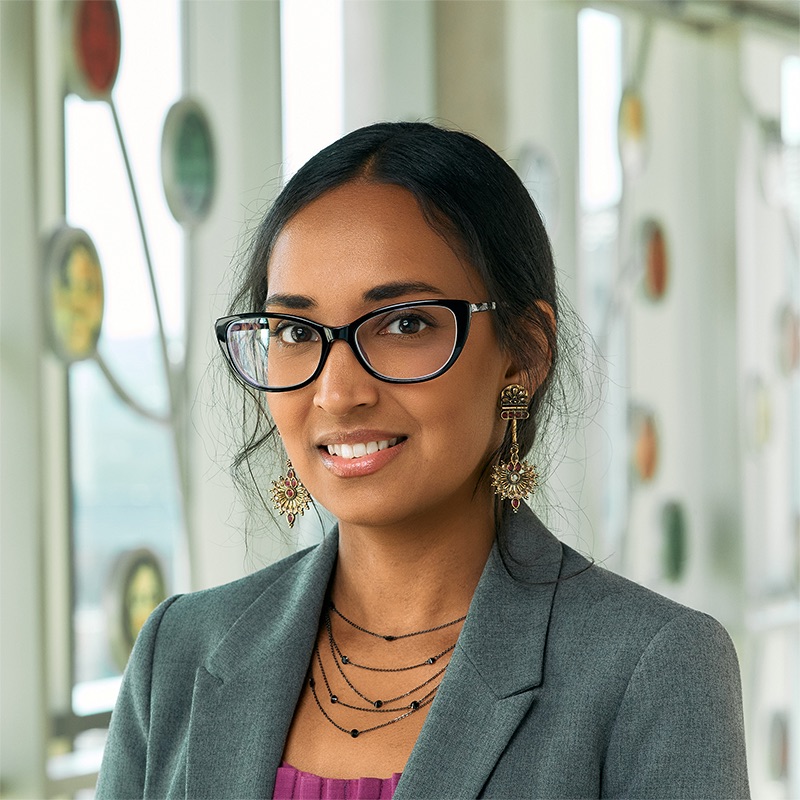
“I am a computational social scientist and social worker. My interdisciplinary research combines computational, quantitative, and qualitative methods to examine how household-level economic outcomes are related to social and health outcomes and how contextual factors like social networks, recessions, and policies shape these associations. My research has particularly focused on housing loss, financial well-being of low-income families, mental health, social policy, and the spread of behaviors in social networks. Some of my work uses tools from data science to conduct secondary analyses of administrative or trace datasets. I frequently work with researchers across disciplines and with community partners to identify research questions where these sorts of datasets may bring unique value.
“My research agenda is grounded in over a decade of interpersonal practice and operational work experience in homeless and nonprofit financial services, including serving as the research and development director at financial services nonprofit Mission Asset Fund, and co-founding and serving as program director of two homeless shelters at Heart and Home Collaborative. I still work with these organizations, and my ongoing social sector experience has been critical in shaping my evolving scholarship.”
Caroline Fidan Tyler Doenmez
Assistant Professor of Civil Society & Community Studies
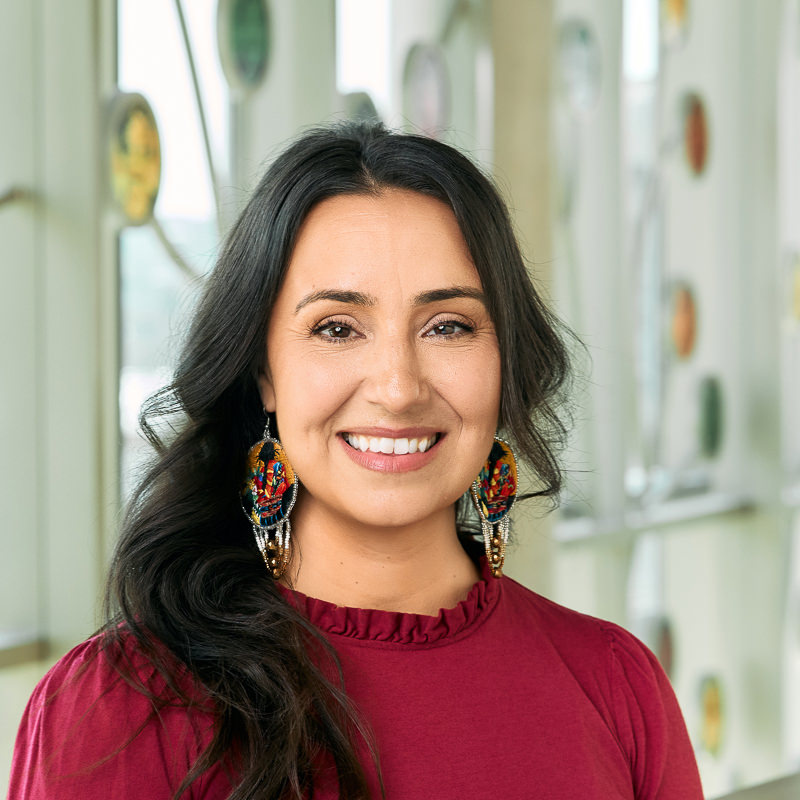
“I specialize in ethnographic studies of reproductive care. My research draws on my interdisciplinary training in cultural and medical anthropology, American Indian and Indigenous studies, oral history, human rights studies, and the anthropology of water. My current book manuscript, ‘Carrying Water: Indigenous Women Reclaiming Birth along the Red River,’ is based on my dissertation research, which earned the University of Minnesota’s Best Dissertation Award in 2024. This research was conducted in Winnipeg, Manitoba with Cree, Anishinaabe, and Red River Métis doulas. Throughout my book, I utilize the language of ‘birthing sovereignty’ to signal the ways that Indigenous peoples’ experiences of pregnancy and birth are often-obscured sites of violence as well as terrains of cultural and political resurgence. This research was supported by fellowships and grants from entities including the American Association of University Women and the University of Minnesota’s Interdisciplinary Doctoral Fellowship.
“My recent research has included conducting a developmental evaluation for the Birth Justice Collaborative in Minneapolis, as well as leading in-depth qualitative interviews with mothers who have participated in the Rx Kids cash prescription program in Flint, Michigan. Rx Kids is the nation’s first-ever unconditional and universal program to distribute cash to all mothers and babies in participating communities. My extensive training in oral history and ethnographic methods informs my interest in elevating mothers’ birth stories as critical sources of knowledge about reproductive politics as they are enacted in women’s daily lives.
“My roles as an instructor and researcher are animated by my mentorship of undergraduate and graduate students. Collaborating with students as they develop greater senses of agency in their own intellectual journeys is one of the most important and meaningful aspects of my work.”
Margaret Echelbarger
Assistant Professor of Consumer Science; Kohl’s THRIVE Faculty Fellow
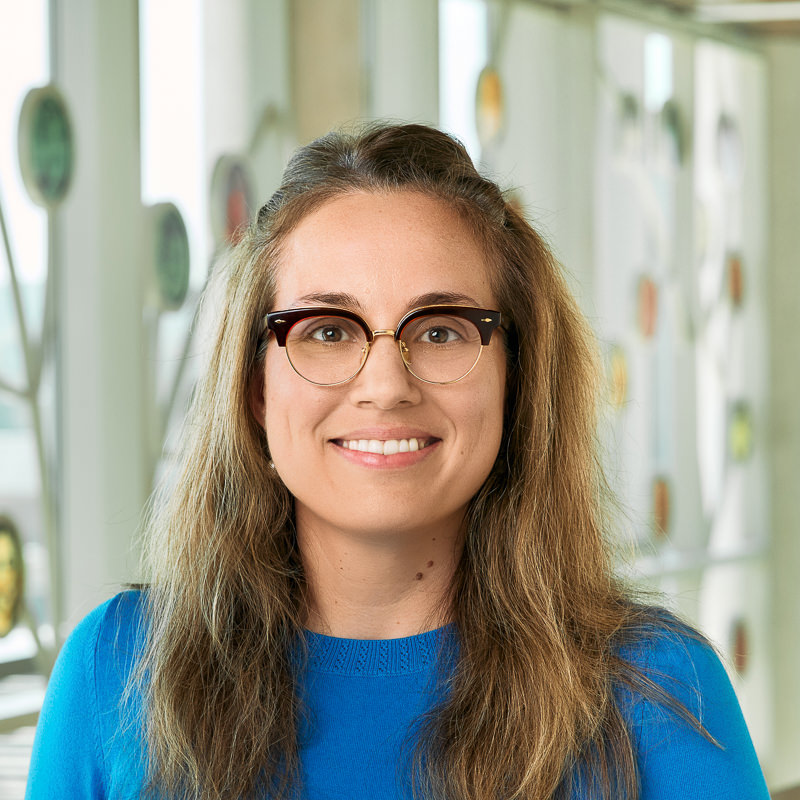
“I study how children develop as consumers, including how they come to understand money, ownership, and markets, and how that development is shaped by their social worlds. My research examines topics such as psychological ownership, children’s sensitivity to cues like variety, and how parent-child conversations about money shape children’s financial attitudes and behavior. I am motivated by a broader interest in promoting consumer well-being across the lifespan, with particular attention to how early experiences with money set the stage for financial capability and agency later in life.
“I care deeply about doing research that reaches beyond academic journals and into the communities it studies. My work has been featured in outlets such as TIME for Kids, AARP, Bloomberg, and The Wall Street Journal, and I regularly write and speak for public audiences to make developmental science accessible and useful to parents, educators, and practitioners. I also value connecting directly with families, sparking kids’ excitement about science, and sharing insights that caregivers can act on to help their children grow into thoughtful consumers. Across my research and public scholarship, I aim to do work that is rigorous, transparent, and grounded in the everyday lives of the people it is meant to serve.”
Kimberly Fuentes Carrillo
Assistant Professor of Civil Society & Community Studies; 4W Faculty Fellow
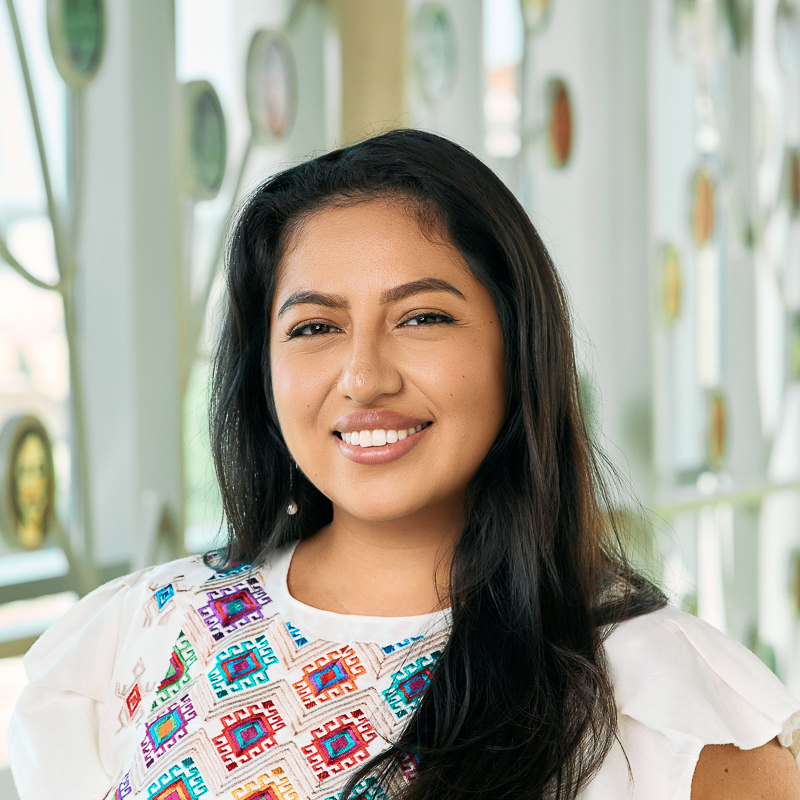
“My interdisciplinary scholarship sits at the intersection of social welfare, criminal justice, and critical geography with a specialization in arts-driven and community-led methods. My research program advances three interrelated strands: (1) innovating participatory research methods, ensuring marginalized communities are trained in qualitative research methods as an intervention to address health inequities; (2) co-producing knowledge with criminalized communities to understand how they survive and resist abandonment, colonialism, and racial capitalism while transforming this knowledge into community-informed interventions and policy solutions; and (3) analyzing how ‘community safety’ discourses are weaponized to justify the regulation and dispossession of system-impacted communities, particularly, Black, Indigenous, and otherwise people of color (BIPOC) in the sex trades (from sex work to sex trafficking and everything in between).
“As a public scholar, I actively collaborate with practitioners, policy makers, and grassroots organizers through the co-creation of zines, policy briefs, articles, and most recently a documentary titled The Sex Worker’s Guide to Parenting. My work has garnered support from 15 grants and fellowships in the last five years, totaling over $1.5 million. I have been nationally recognized for my excellence in research by the Ford Foundation as a predoctoral fellow, the Society for Social Work Research with their inaugural Community-Research Partnership award, and the California HIV/AIDS Research Program’s award for Excellence in Equity and Inclusion. As a queer Latina, the daughter of Oaxacan immigrants, and the first in my family to pursue higher education, I am passionate about paying it forward, particularly in ways that build a more inclusive and liberatory future for historically marginalized communities.”
Natasha Nemmers
Assistant Professor of Human Development & Family Studies; Dean’s THRIVE Faculty Fellow
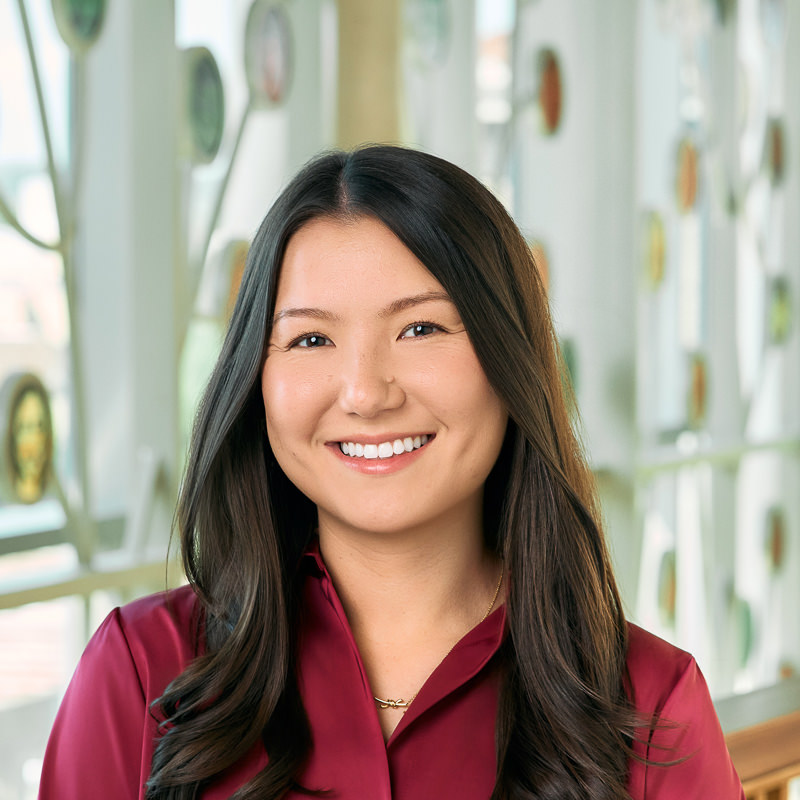
“I am a gerontologist whose research examines how family structures, social relationships, and broader social contexts shape health, well-being, and the availability and provision of support in later life. My work focuses on older adults living with dementia and their care partners, with particular attention to those aging outside traditional family structures, including individuals who are unmarried, childless, geographically separated from family, or living alone with cognitive impairment.
“With population aging and shifting family structures, more older adults may have limited access to traditional sources of family support. My research identifies factors that contribute to unmet care needs and challenges to aging in place and examines the social and relational resources that promote resilience. Using quantitative, qualitative, and mixed-methods approaches, including nationally representative longitudinal studies and in-depth interviews, I seek to inform interventions and policies that optimize health and well-being while supporting effective care networks and smoother transitions for older adults and their caregivers.”
Ahn, Ananthasubramaniam, Echelbarger, Fuentes Carrillo and Nemmers round out the School of Human Ecology’s 10 hires for the Wisconsin Research, Innovation and Scholarly Excellence (RISE) Initiative, designed to help address significant, complex challenges of particular importance to Wisconsin and the world through accelerated and strategic faculty hiring, research infrastructure enhancement, interdisciplinary collaboration and increased student and educational opportunities.
The other faculty hires, all in the Design Studies department, joined the school in 2024 and 2025: Esther Kang, Anika Kozlowski, Qi Yang, Bowen Zhan, and Yaoyi Zhou.